
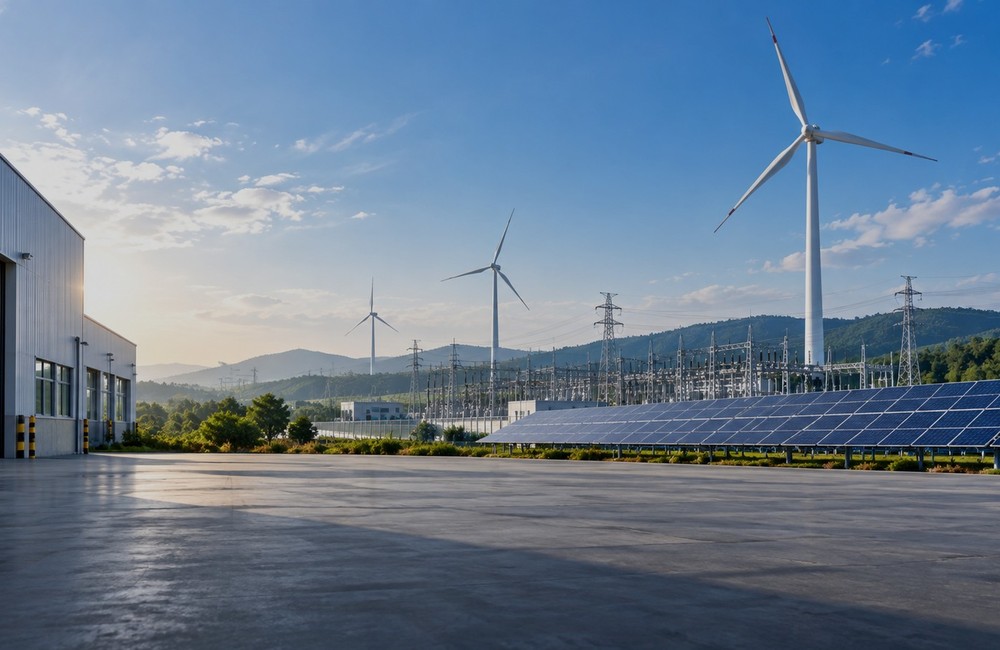
Key Components:
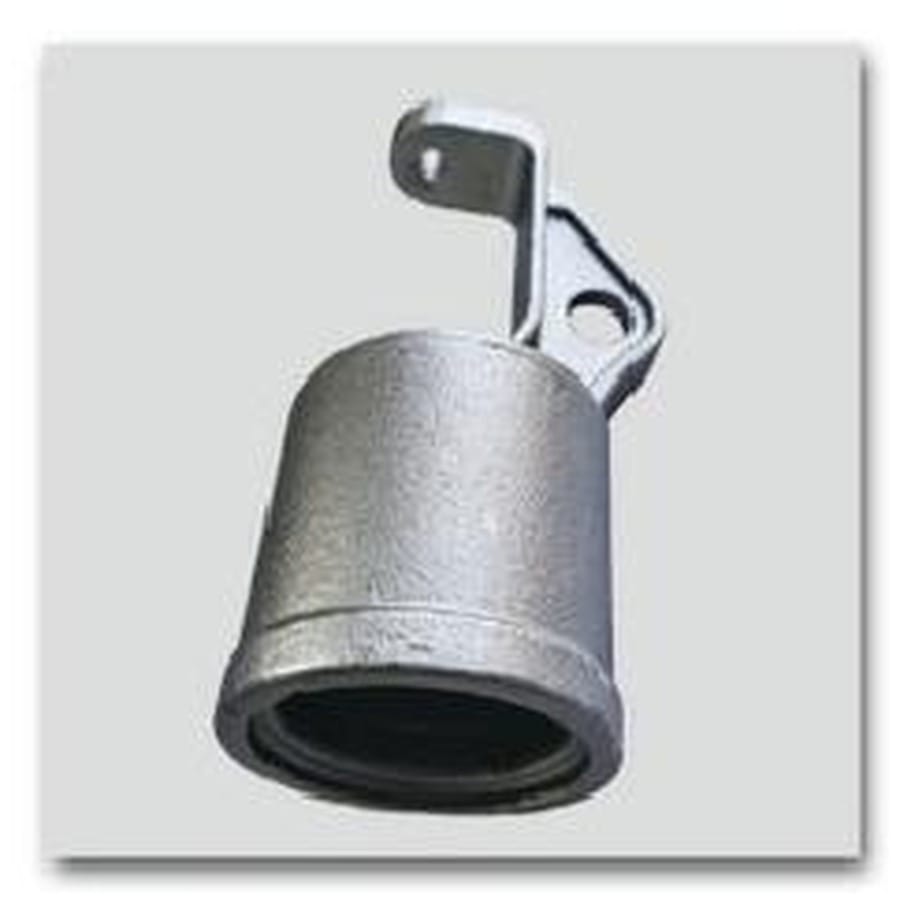
Wind power hydraulic cylinder lugs and joints, brake discs and brake seats, photovoltaic tracker shafts and hinge parts, nuclear-grade valve bodies and pipe fittings, hydrogen valve bodies and connectors, thermal power burner nozzles, gearbox planet carriers, supports, flanges, and related parts; individual weights range from 0.2 kg to 150 kg.
Reliable Casting Solutions for New Energy & Power Equipment
New energy and power castings cover wind power, photovoltaic, solar thermal, thermal power, nuclear power, and hydrogen energy. Wind power hydraulic and braking parts face complex alternating loads and low-temperature impact; photovoltaic tracker components require outdoor weather resistance for more than 25 years; nuclear and hydrogen castings require strict material cleanliness, soundness, and long-term reliability; thermal power burner nozzles must work for long periods in high-temperature oxidation environments.
With low-temperature wax silica sol investment casting and integrated machining capabilities, we provide small and medium precision cast steel and stainless steel parts for new energy and power equipment. Key parts undergo 100% NDT to meet long-life design and certification requirements.
High Reliability: Key parts undergo 100% NDT (UT + MT) to meet 20-year wind power and 25-year photovoltaic design life requirements.
Low-Temperature Toughness: Refined low-alloy steel can meet -40°C impact requirements for northern and offshore wind power conditions.
Clean Materials: External refining and heat treatment strictly control harmful elements such as P and S, providing excellent weldability.
Precision Dimensions: CT7 accuracy reduces machining allowance for large components and lowers customer manufacturing cost.
Certification Support: CE, PED, and material traceability documents required by nuclear, wind power, and related industries can be provided.
The following are typical examples of new energy and power castings (8 items shown); other specifications can be customized based on customer drawings and equipment models:
| No. | Part Name | Common Materials | Process / Remarks |
|---|---|---|---|
| 1 | Wind Power Hydraulic Cylinder Lug / Joint | 42CrMo / 40Cr / 20MnCr5 | Quenched and tempered, UT + MT inspection |
| 2 | Wind Power Brake Disc / Brake Seat | 42CrMo / QT600-3 | Wear resistant, precision-machined flatness |
| 3 | PV Tracker Shaft / Hinge Part | S355JR / 42CrMo / QT500-7 | Weather resistant, hot-dip galvanizing available |
| 4 | PV Bracket Connector / Flange | Q355B / S355JR / 304 | Outdoor 25-year service life |
| 5 | Nuclear-Grade Valve Body / Pipe Fitting | Z2CN18-10 (N-controlled) / Z3CN20-09M | RCC-M / ASME Class III |
| 6 | Hydrogen Valve Body / Connector | 316L / Duplex Steel / Inconel Alloy | Hydrogen embrittlement resistance, high-pressure air-tightness |
| 7 | Thermal Power Burner Nozzle | 310S / HK40 / Heat-Resistant Alloy Steel | High-temperature resistance above 1000°C |
| 8 | Wind Power Gearbox Planet Carrier | 42CrMo / QT700-2 | High-precision hole system, UT inspection |
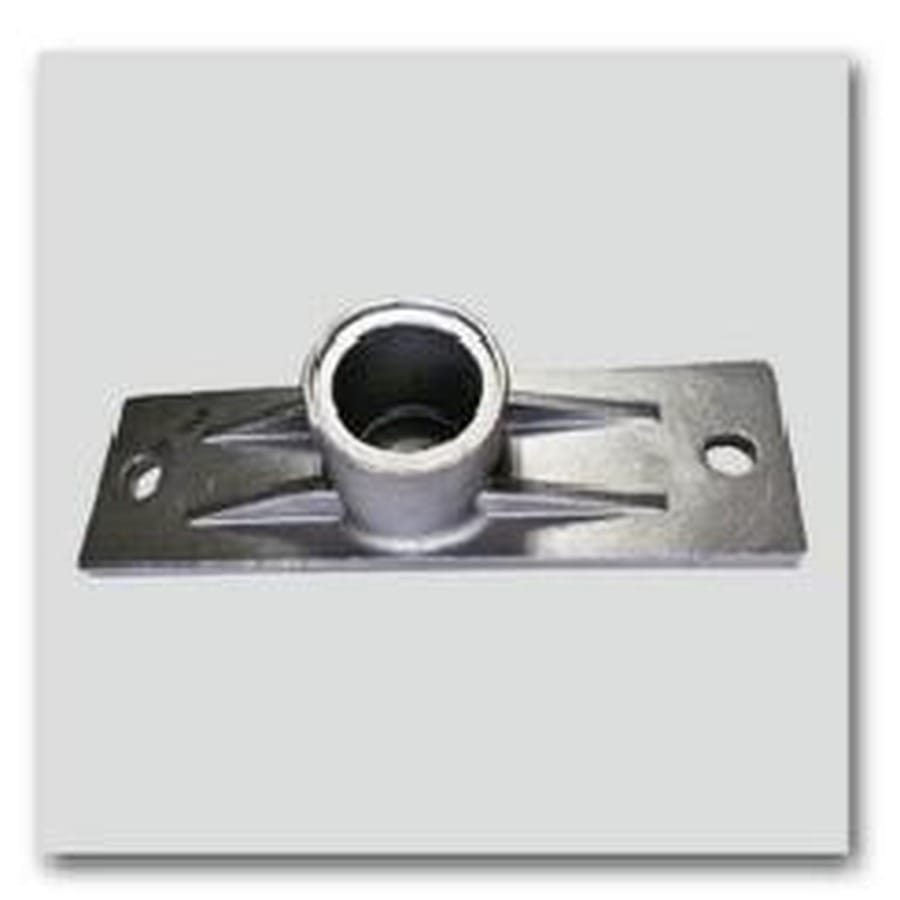
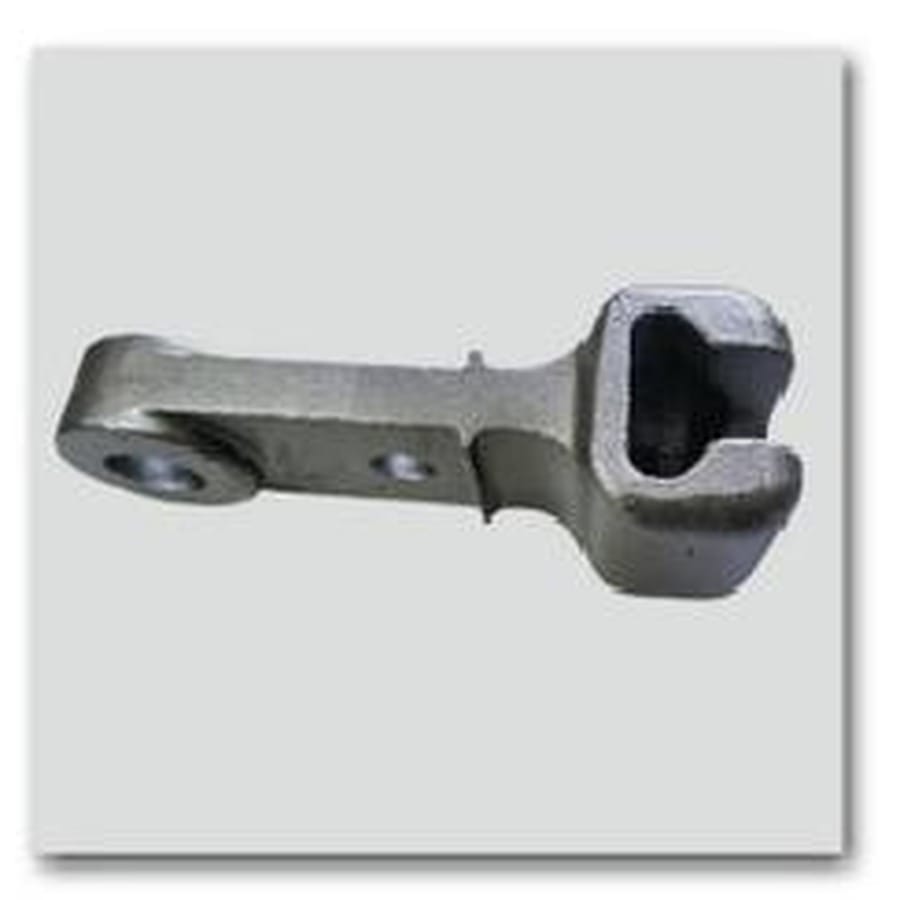
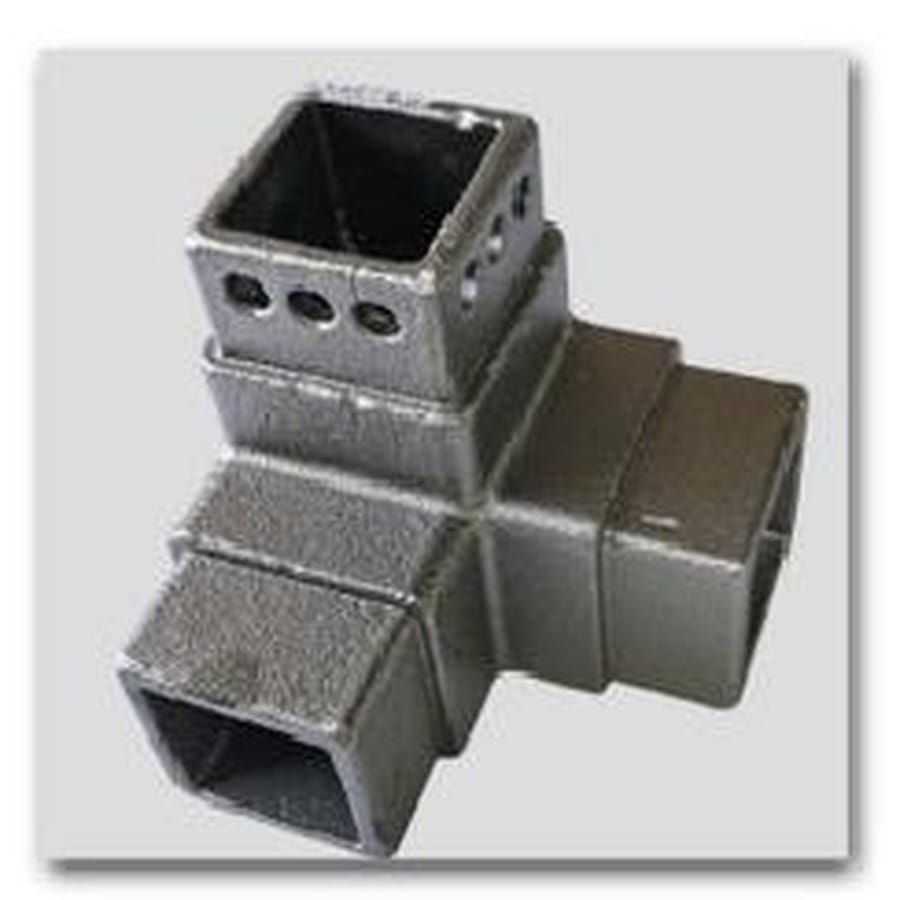
- Low-Temperature Toughness: -40°C V-notch impact testing is performed, and both average and single values meet wind power standard requirements.
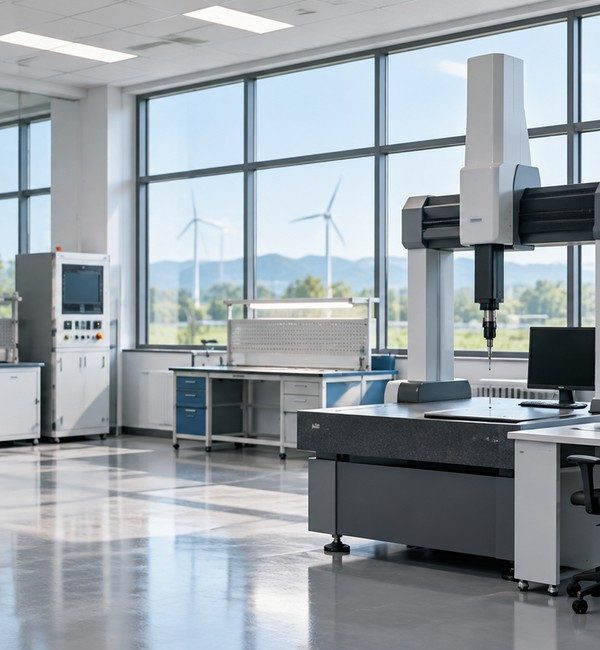
- Non-Destructive Testing: Key parts receive 100% UT + MT inspection according to EN 12680 / EN 1369 ratings, with zero tolerance for cracks.
- Material Cleanliness: Spectral analysis and gas content testing (O/N/H) are performed; P <=0.025% and S <=0.015% can be controlled.
- Weldability: Carbon equivalent of S355JR/Q355B structural parts is controlled, with mature preheating and post-weld heat treatment processes.
- Nuclear Quality Assurance: Material traceability and QA records can be established according to RCC-M or ASME NCA-3800 requirements.
- Wind power hydraulic system castings: 42CrMo quenched and tempered cylinder lugs and joints supplied to wind turbine OEMs.
- PV tracker station cast steel parts: S355JR shafts and hinge joints, annual supply of 200,000 pieces, with hot-dip galvanizing support.
- Nuclear auxiliary system stainless steel valve parts: N-controlled 304/316 materials meeting nuclear QA and traceability requirements.
- Recommended combinations: Wind power cylinder lug + spherical bearing sets; PV tracker shaft + hinge joint sets.
- Hydrogen and thermal power special alloy castings can be customized according to pressure, temperature, and certification requirements.
Frequently Asked Questions (FAQ)
We support new energy and power projects with low-temperature toughness, long-life outdoor protection, special alloys, and full-process traceability.
Can wind power castings include -40°C impact reports?
Yes. We use refined low-alloy steel and perform -40°C V-notch impact testing according to standards; average and individual values meet requirements.
Are photovoltaic bracket castings suitable for hot-dip galvanizing?
Yes. Silicon content and carbon equivalent of S355JR/Q355B materials are controlled for hot-dip galvanizing compatibility, supporting 25-year outdoor weather resistance.
Can you produce special alloy castings for nuclear or hydrogen energy?
Yes. Nuclear parts can be produced in nitrogen-controlled stainless steel according to RCC-M/ASME standards; hydrogen parts can use 316L, duplex steel, and nickel-based alloys with high-pressure air-tightness and hydrogen embrittlement related testing.
Can thermal power nozzles withstand high temperature?
Yes. 310S, HK40, and other heat-resistant alloy steels can serve long term above 1000°C in high-temperature oxidizing environments, and we can recommend materials based on actual conditions.
Request a New Energy & Power Casting Solution
Please provide application scenario, certification standard, material requirements, and drawings; we will provide a technical solution meeting new energy industry standards.