
Precision Investment Casting & Custom Manufacturing
Investment casting (lost-wax casting) is a near-net-shape manufacturing process that produces dimensionally precise, surface-finished metal components with complex geometries — geometries that would be difficult or impossible to achieve through forging, sand casting, or machining alone. At Daji Casting, we specialize in the low-temperature wax + silica sol binder system, a premium investment casting route that delivers exceptional surface quality (Ra 1.6–3.2 μm), tight dimensional tolerances (CT5–CT7 per ISO 8062), and excellent repeatability for medium-to-high volume production.
We manufacture fully to customer drawings: send us your 2D/3D files, material specifications, and quantity requirements, and our engineering team will deliver a manufacturability review (DFM) and quotation within 24 hours. From prototype to serial production, we handle the complete chain — wax injection, shell building, dewaxing, melting, casting, heat treatment, machining, and non-destructive testing — under one roof.
The Premium Route for High-Precision, Superior Surface Finish Castings
A combined process using low-temperature pattern wax for fine detail reproduction and colloidal silica (silica sol) binder for high-temperature stable ceramic shells — delivering castings with mirror-like surfaces, thin walls, and tight tolerances across stainless steel, carbon steel, and alloy steel.
| Parameter Item | Specification | Description |
|---|---|---|
| Wax Pattern Material | Low-temperature wax (Melting point: 50–60°C) | Stable dimension, excellent detail reproduction, low wax residue after dewaxing |
| Shell Binder | Silica sol (SiO₂ colloid) | High high-temperature strength, low thermal expansion, superior surface finish |
| Dimensional Tolerance | CT5 – CT7 (ISO 8062) | 1–2 grades better than sodium silicate process |
| Surface Roughness | Ra 1.6 – 3.2 μm | Ready for direct application, reduces subsequent machining |
| Minimum Wall Thickness | 1.5 mm (Local 1.0 mm) | Suitable for thin-walled complex structural components |
| Applicable Materials | Stainless steel / Carbon steel / Alloy steel | 50+ grades including heat-resistant steel and duplex steel |
| Part Weight Range | 0.05 kg – 100 kg | Covers small precision parts to medium structural components |
| Batch Capacity | Prototypes – 100,000 pcs/year | Flexible production, rapid mold change |
Precision Investment Casting & Custom Manufacturing
From raw material procurement, production management, order tracking to logistics and customs clearance, we maintain full control throughout the entire process.
Wax Injection
- Key actions:Low-temperature wax is injected into a metal mold at 55–65°C, then removed after holding pressure and cooling.
- Quality control point:Wax pattern dimensions, surface bubbles, flash, and shrinkage rate.
Quotation and Proposal
- Key actions:Weld the wax patterns to the gating system (pouring cup, sprue, runner, and ingate).
- Quality control point:Gate cluster rigidity, gate location, and spacing
Sample Production
- Key actions:Dip coating (silica sol + zircon flour/mullite flour) → Stucco coating → Drying; repeat for 6–9 layers.
- Quality control point:Coating viscosity, sand particle size, and drying temperature and humidity.
Sample Production
- Key actions:A steam autoclave (0.6–0.8 MPa, 160–170°C) causes the wax pattern to melt and flow out.
- Quality control point:Thoroughness of dewaxing, absence of cracks in the shell mold, and wax recovery rate.
Mass Production
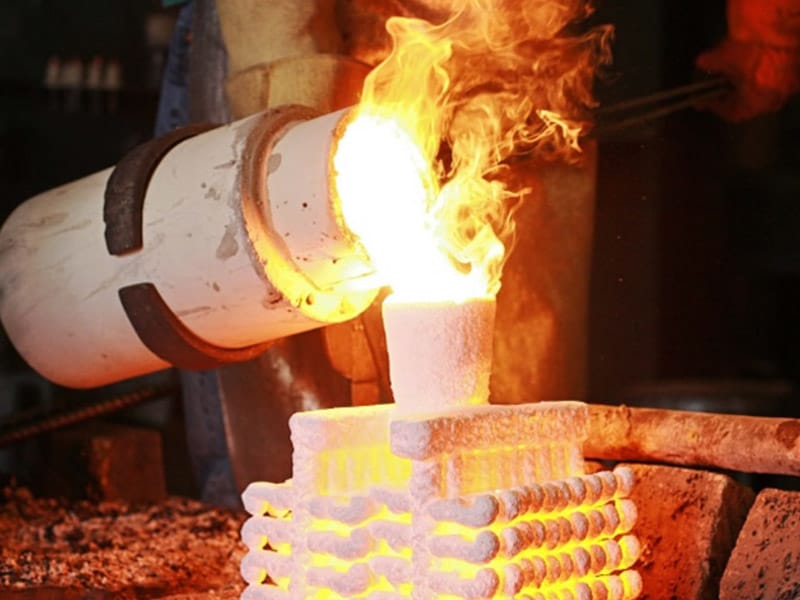
- Key actions:After firing the shell mold (1000–1100°C), molten steel is poured under vacuum or atmospheric conditions.
- Quality control point:Pouring temperature, pouring speed, shell mold temperature
Delivery and Support
- Key actions:Shell removal, gate cutting, sandblasting/shot blasting, grinding, straightening
- Quality control point:Residual shell material, gate residue, surface defects
Low-Temperature Wax & Silica Sol Process
Low-temperature wax silica sol investment casting is an advanced near-net-shape manufacturing process that combines precision wax patterns with high-performance ceramic shells. By using low-temperature wax for detailed pattern replication and silica sol for strong, stable shell formation, this process delivers excellent dimensional accuracy, superior surface finish, and reliable performance for complex metal components.
Lost-Wax Investment Casting
Investment casting uses wax patterns to reproduce the exact geometry of the final component. After ceramic shell formation, dewaxing, and metal pouring, complex parts can be produced without parting lines, allowing excellent design flexibility and fine structural details.

Low-Temperature Wax
Low-temperature wax provides excellent flowability and dimensional stability, enabling precise reproduction of intricate features such as thin walls, fine textures, threads, and logos. It creates a reliable foundation for high-precision casting.

Silica Sol Ceramic Shell
Silica sol acts as a premium binder for ceramic shells, providing high-temperature strength, low thermal expansion, and excellent surface quality. It helps achieve smooth casting surfaces, accurate dimensions, and reduced surface defects.
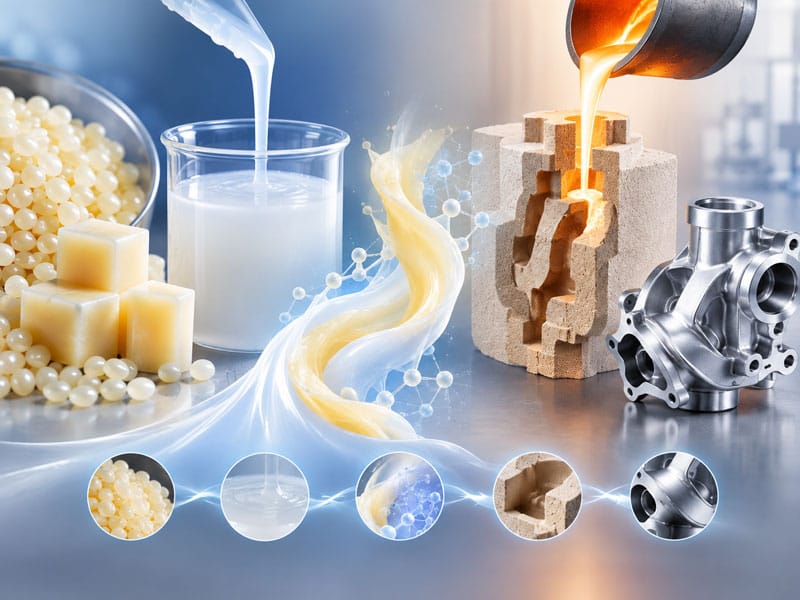
Wax + Silica Sol Synergy
The combination of low-temperature wax and silica sol integrates accurate pattern making with durable shell technology. This advanced process delivers complex geometries, consistent dimensions, and superior surface finishes, making it ideal for high-end precision casting applications.
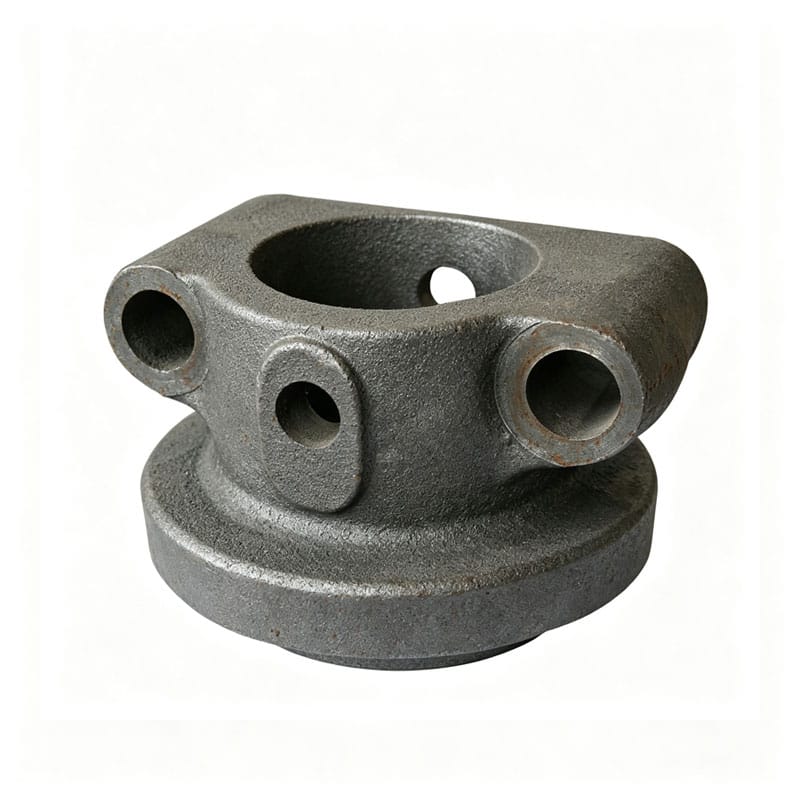
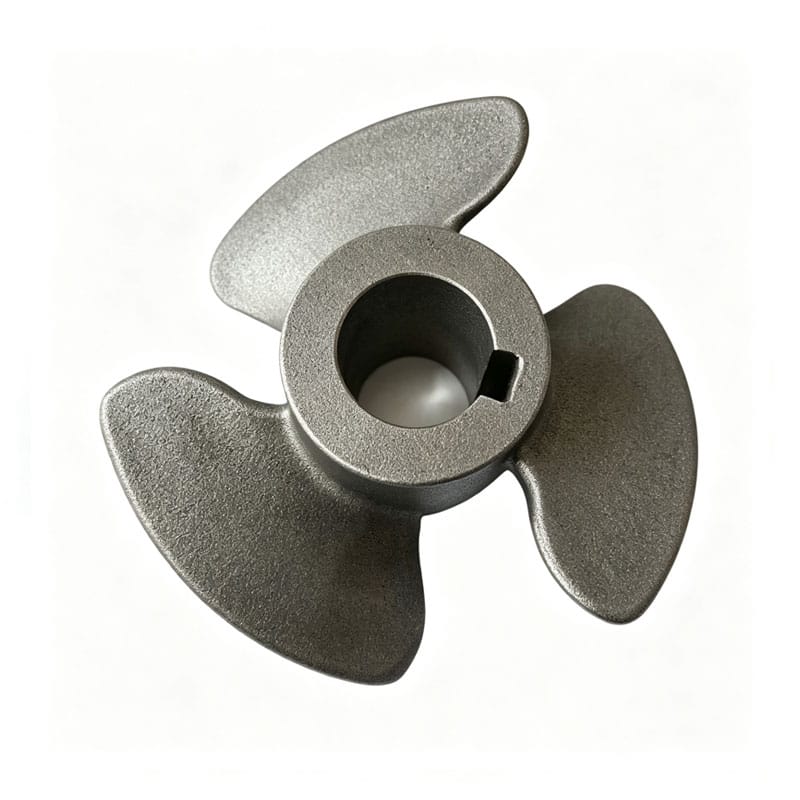
Componentes típicos de fundición de precisión
01
Wax Pattern Making (Wax Injection)
• Process: Low-temperature wax material is melted at 55–65°C and injected into the metal mold cavity using a wax injection machine at a pressure of 0.3–0.8 MPa; the mold is opened to retrieve the pattern after a holding and cooling phase;
• Equipment: Horizontal or vertical wax injection machine (equipped with holding pressure, temperature control, and vacuum degassing functions);
• Mold: Aluminum alloy or steel mold; cavities are CNC-machined and polished; mold dimensions must account for wax shrinkage (0.3%–0.6%) and metal shrinkage (1.5%–2.5%);
• Quality Control: First-article inspection of pattern dimensions using a CMM (Coordinate Measuring Machine); visual inspection of surfaces for air bubbles, sink marks, and flash; periodic dimensional checks of patterns.
02
Wax Assembly (Treeing)
• Process: Multiple wax patterns are welded onto a wax gating system (wax tree) using a wax welding tool (or soldering iron); the gating system includes the pouring cup, sprue, runners, and ingates;
• Design Principles: Ingate placement must ensure smooth mold filling and directional solidification of the molten metal to prevent cold shuts and shrinkage cavities; spacing between patterns must allow for uniform coverage of the ceramic slurry and stucco (sand);
• Quality Control: Welds must be secure and smooth, with no residual wax debris; the dimensions and weight of the completed assembly must remain within the limits of the shell-making process and pouring capacity.
03
Shell Building (Investment)
• Process: Dip the wax assembly into a colloidal silica slurry (colloidal silica mixed with zircon or mullite powder; powder-to-liquid ratio of 2.5–4.0:1), then evenly apply sand (zircon sand of 80–120 mesh for the face coat; mullite or quartz sand of 16–30 mesh for backup coats). Dry in an environment with a temperature of 22–25°C and humidity of 50%–70% for 4–8 hours. Repeat the coating and sanding process for 6–9 layers (1–2 face coats using fine material, 5–7 backup coats using coarse material, and a final seal coat without sanding).
• Equipment: Slurry tank (with agitation), rainfall/fluidized sand bed, and constant temperature and humidity drying chamber.
• Quality Control: Monitor slurry viscosity for each layer using a viscosity cup (Ford Cup No. 4: 20–40 s); ensure a final shell thickness of 5–8 mm; verify the absence of delamination or cracking after drying.
04
Dewaxing
• Process: Place the dried shell assembly into a steam dewaxing autoclave with the pouring cup facing downward. Introduce saturated steam at 0.6–0.8 MPa (160–170°C) and maintain this state for 10–20 minutes to rapidly melt the wax pattern and allow it to flow out through the pouring cup.
• Equipment: Steam dewaxing autoclave (equipped with pressure control and wax recovery systems).
• Quality Control: Dewaxing must be rapid (to prevent wax expansion from cracking the shell); ensure no residual wax remains inside the shell after the process; recovered wax can be reused after filtration and dehydration.
05
Roasting & Casting
• Roasting: After dewaxing, the shell molds are placed in a roasting furnace and held at 1000–1100°C for 1–2 hours to remove residual wax and moisture, thereby enhancing shell strength and permeability;
• Melting: Steel is melted in a medium-frequency induction furnace; chemical composition is analyzed via direct-reading spectrometry and adjusted to meet target specifications;
• Casting: Heated shells (800–1000°C post-roasting) are positioned for casting; gravity or vacuum casting (for alloy steels/high-end components) is employed. Pouring temperatures vary by material (carbon steel: 1560–1600°C; stainless steel: 1580–1620°C; heat-resistant steel: 1600–1650°C);
• Quality Control: Pouring temperature is monitored via infrared thermometry or thermocouples; a steady pouring rate is maintained to prevent air entrapment and slag inclusion.
06
Knock-out & Finishing
• Shell Removal: After cooling, external shells are removed using a vibration knock-out machine, while internal cavities are cleaned via high-pressure water jetting or sandblasting;
• Cutting: Gating systems are removed using abrasive cut-off saws or band saws;
• Grinding: Residual gate material, flash, and burrs are ground off; dimensional correction is performed if necessary;
• Surface Treatment: Sandblasting or shot blasting (to unify surface color and remove oxide scale); pickling and passivation (for stainless steel), galvanizing, or painting are performed per customer requirements;
• Heat Treatment: Processes such as normalizing, annealing, quenching and tempering, solution treatment, and aging are conducted according to material and performance specifications (see Quality Specifications section for details).
Componentes típicos de fundición de precisión
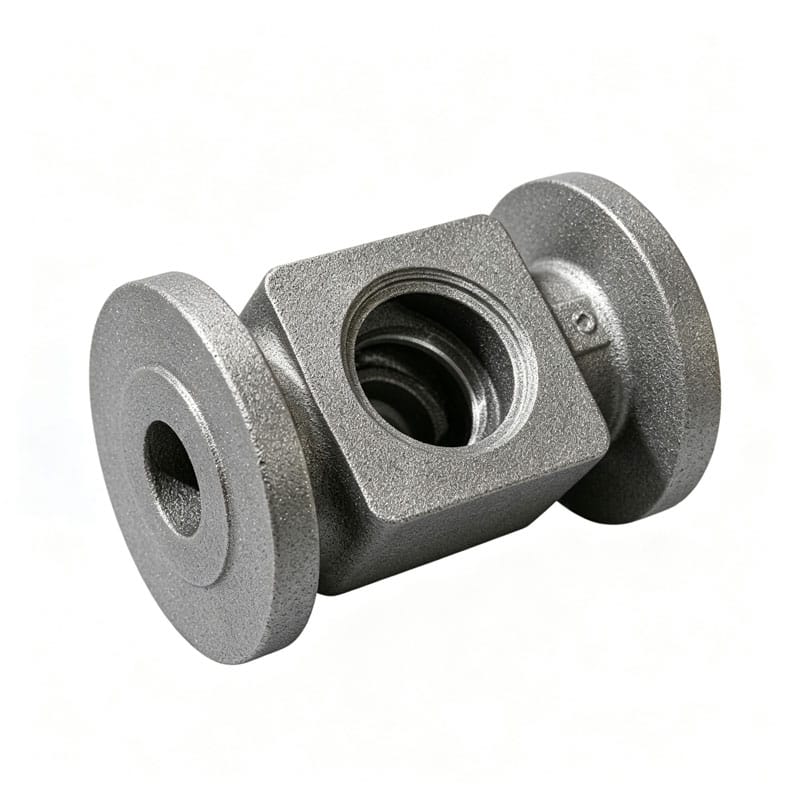
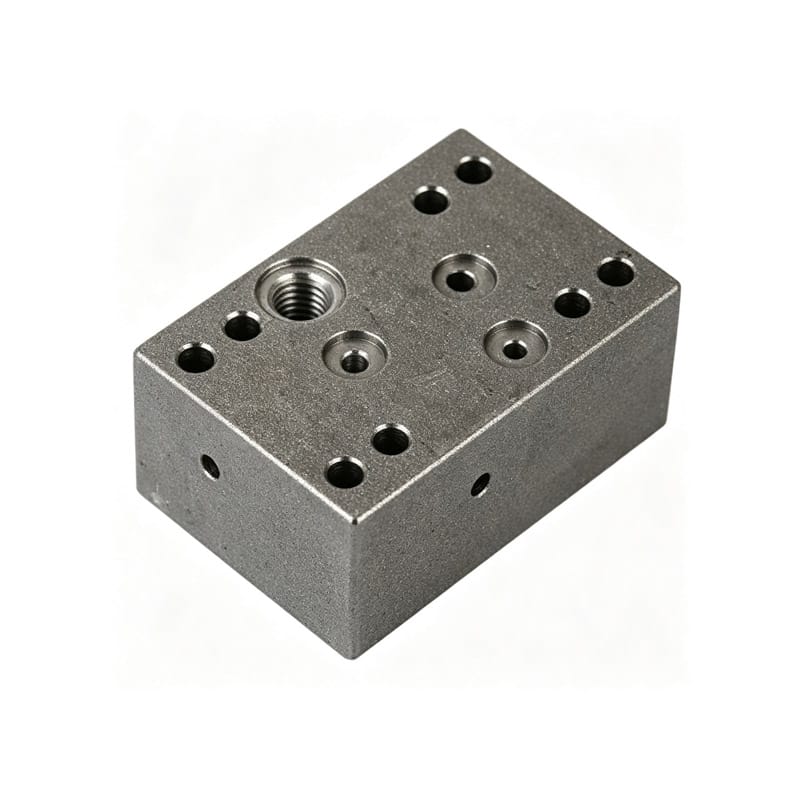
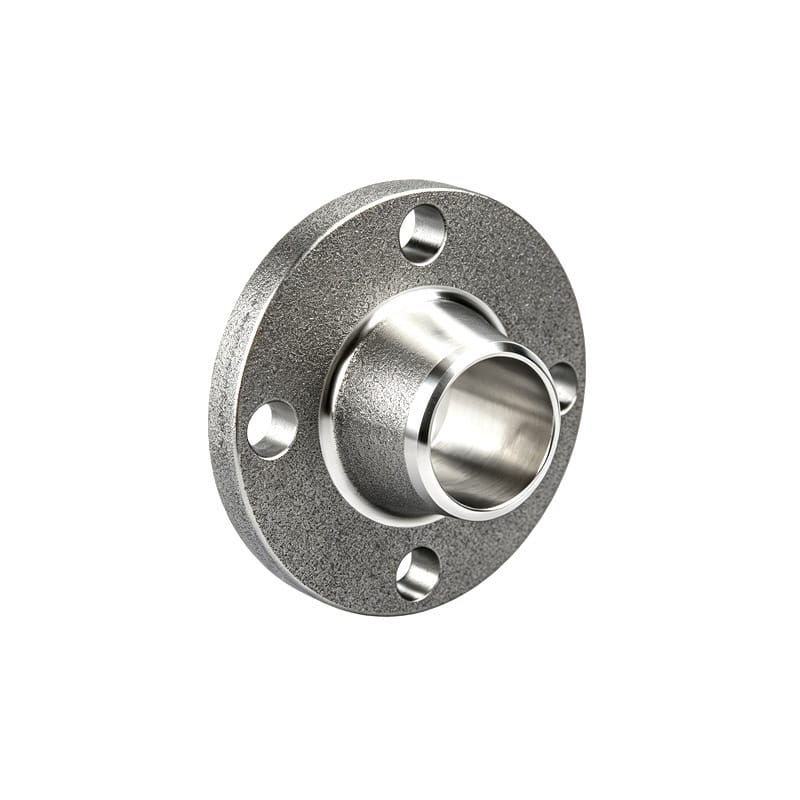
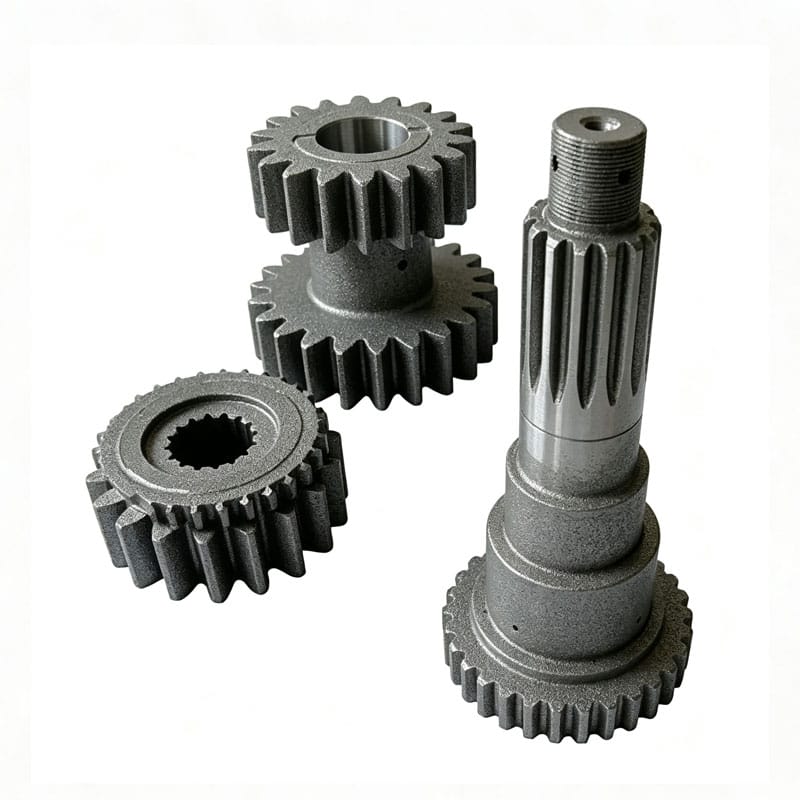
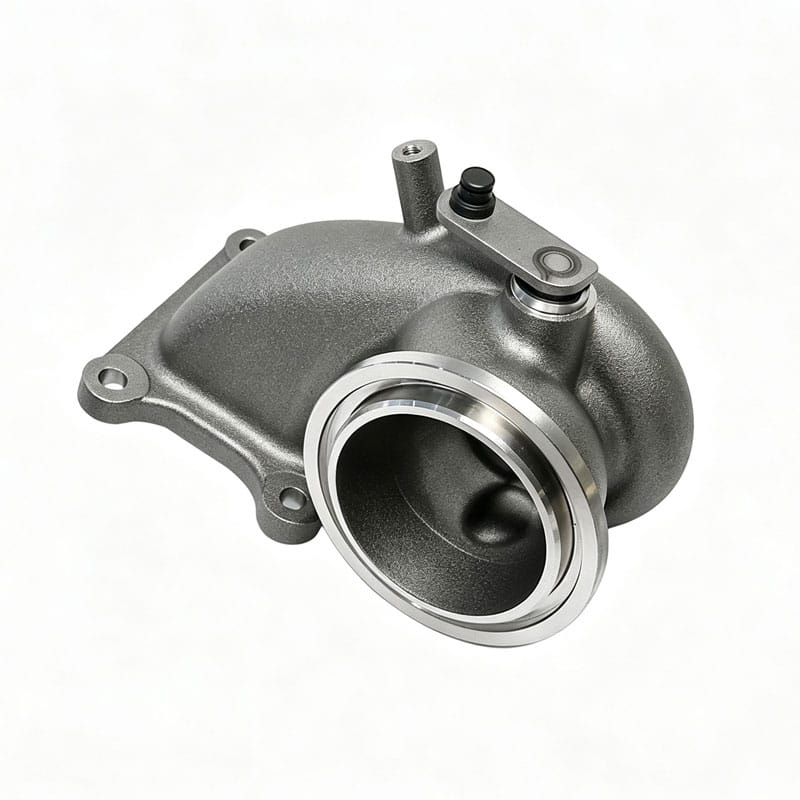
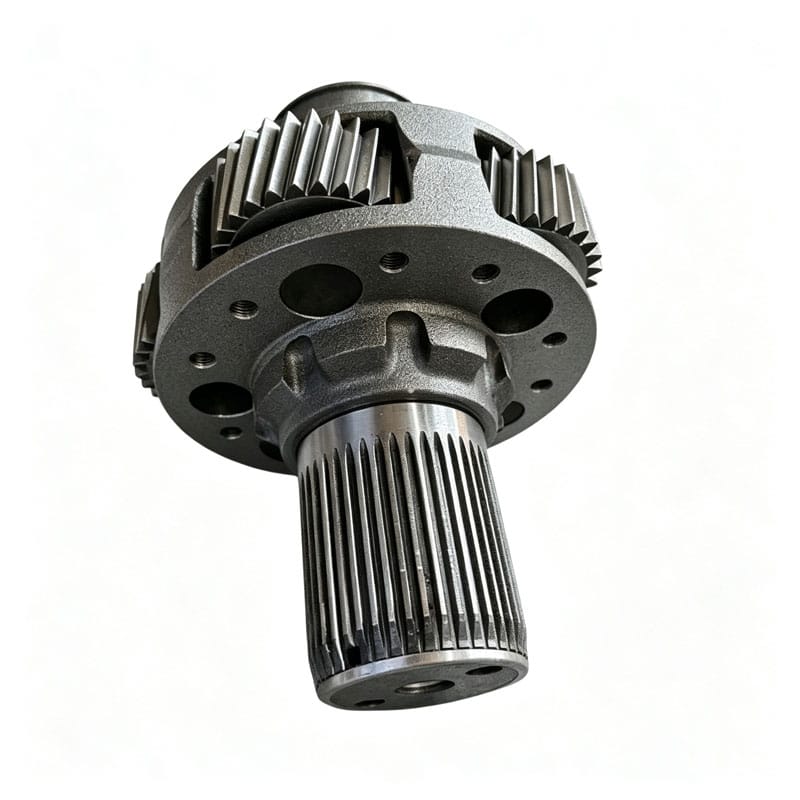
Explore piezas de fundición representativas fabricadas para maquinaria, vehículos, bombas, válvulas y equipos industriales. Cada pieza se puede personalizar mediante dibujo, calidad del material, requisitos de mecanizado y tratamiento de superficies.
Ready to Start Your Custom Casting Project?
Upload your drawings and tell us your material, quantity, tolerance and application requirements.
Our engineering team will review your project and provide manufacturing recommendations and quotation support based on your specifications.