
目次
The surface finishing decision for road roller bearing housings
Road roller bearing housings need surface finishing that accounts for a bearing seat carried by a relatively stiff housing. The component may face vibration, bearing reaction forces and repeated maintenance; those conditions shape what must be defined before a purchase order can describe an acceptable part. This guide concentrates on the evidence and decisions needed for this specific stage. The intended result is a surface map with finish, masking and cleaning requirements.
A component can need several different surface conditions. A sealing land, a bearing seat, an exposed exterior and an internal passage serve different purposes. Define these areas separately. A single appearance note or blanket roughness value rarely communicates the whole requirement and may cause unnecessary polishing or damage during finishing.
What makes road roller bearing housings a distinct casting requirement
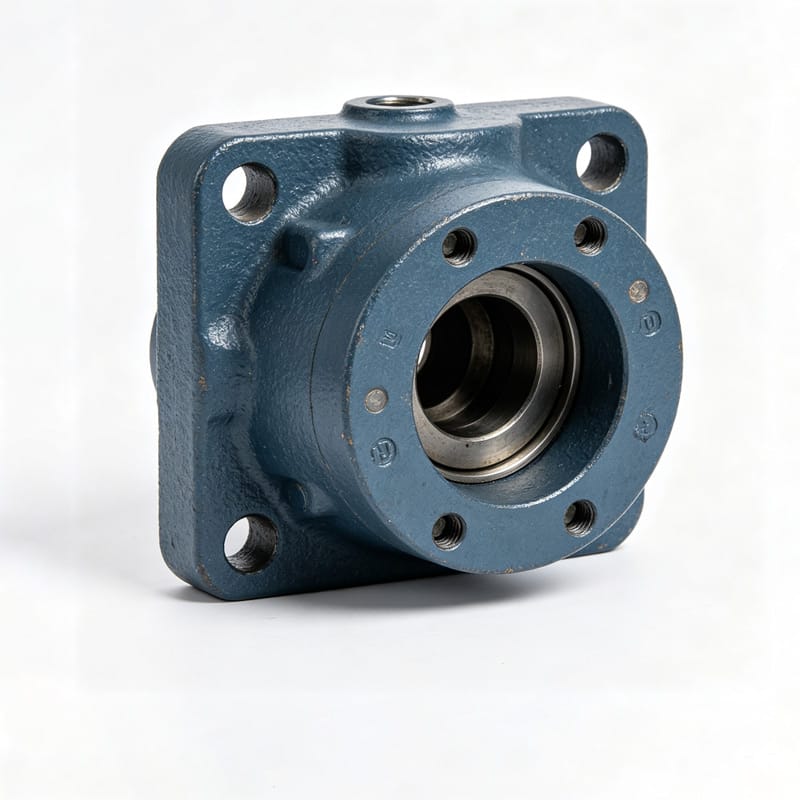
The defining geometry is a bearing seat carried by a relatively stiff housing. Pay particular attention to bearing bore size, roundness and shoulder location; these are the interfaces that can turn an apparently acceptable raw casting into an assembly problem. Review the load-bearing sections and the tool-access envelope together, because an improvement to one can make another harder to control.
The service review should address vibration, bearing reaction forces and repeated maintenance. Ask the equipment designer to identify the credible failure modes and the conditions used to validate them. The manufacturing priority is bearing-seat geometry after the final heat-treatment operation. Avoid finishing a bore before a distortion-producing thermal operation. That mistake can remain hidden in a nominal model and emerge only during a production trial or field installation.
A practical workflow for surface finishing
Mark functional surfaces on the drawing and identify the finish that each requires. For coatings, define masked areas, thickness measurement locations and how fit is checked after finishing. For stainless parts, agree cleaning and passivation requirements appropriate to the material and service. Define cosmetic acceptance using a clear location and viewing method.
Apply the workflow to road roller bearing housings by recording a bearing seat carried by a relatively stiff housing as the component-specific feature under review. Assign the dimensional work to bearing bore size, roundness and shoulder location and connect the release evidence to bearing-seat geometry after the final heat-treatment operation. Keep proposed changes visible until the responsible engineer approves them. The review should end with a surface map with finish, masking and cleaning requirements, rather than an unexplained statement that the drawing is acceptable.
Worked review scenario for road roller bearing housings
A protected component fits before coating but will not assemble afterward. The issue may be unplanned coating build on a bore, thread or locating pad. Review the dimension in its delivered condition, agree masking and verify the finished assembly interface. Scraping away coating at incoming inspection creates a different corrosion-protection condition.
For this component, put the decision at a bearing seat carried by a relatively stiff housing. The buyer should ask how the proposed route maintains bearing bore size, roundness and shoulder location under the agreed delivered condition. The supplier should explain the evidence available for bearing-seat geometry after the final heat-treatment operation. If those two answers use different datums, revisions or material conditions, close the discrepancy before accepting the sample. This is a review example, not a claim about an actual Daji customer project.
Define storage and transport protection
Protect bearing bore size, roundness and shoulder location on Road roller bearing housings from impact, rubbing and moisture during the expected shipping route. State whether protection must be removed before assembly and whether removal can contaminate internal features. Use separators and supports that preserve identification and prevent local contact damage. Confirm that labels remain linked to the correct heat or batch after outer packaging is opened. A packaging trial should evaluate the actual component and finished surfaces. The acceptance requirement should describe the condition on arrival as well as the appearance at the packing station.
Review thread and fastening interfaces
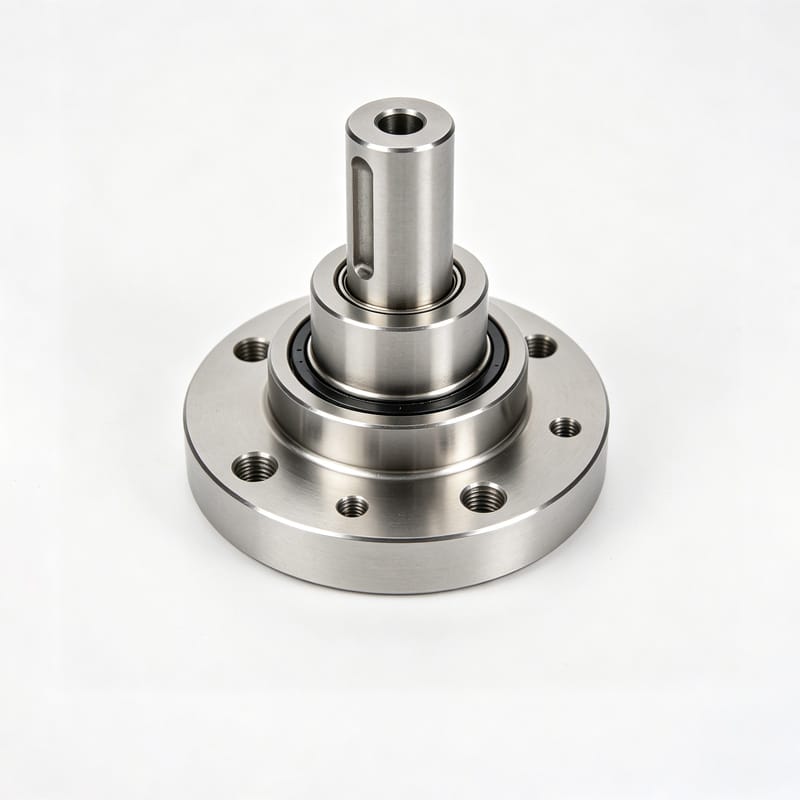
Where Road roller bearing housings includes threaded or bolted connections, specify the thread system, engagement, seating surfaces and the delivered surface condition. A fastener label alone does not define alignment, preload or sealing. Check access for machining and gauging and identify any surfaces masked during finishing. For assemblies subject to vibration, bearing reaction forces and repeated maintenance, the design owner should assess loosening, local bearing stress and corrosion at interfaces. Verify the functional relationship to bearing bore size, roundness and shoulder location rather than assuming that a passing thread gauge proves the entire connection is suitable.
Keep development and production economics separate
Tooling and trial costs for Road roller bearing housings should be assessed over a realistic volume range. Record the ownership and maintenance terms of the die, the cost of a future revision and the assumptions behind quantity pricing. Low initial volume can favor a different development route from a stable repeat program. Compare alternatives on total accepted-component cost and required evidence. Avoid claiming a fixed break-even quantity without a project quotation. The economic decision should reflect bearing bore size, roundness and shoulder location, inspection scope, material utilization and the customer’s actual demand uncertainty.
Preserve evidence during development
Keep controlled trial records for Road roller bearing housings: models, drawing revisions, process changes, sample identities and the results associated with each sample. Photograph the relevant locations where this aids interpretation, but retain measured data for bearing bore size, roundness and shoulder location. Record unsuccessful trials as development evidence rather than deleting them from the history. The pattern of changes can explain why a later sample works and which limits still need verification. A compact evidence register helps the buyer distinguish a production-ready route from a component that required undocumented exceptional handling.
Assign ownership at every handoff
A casting project crosses design, foundry engineering, machining, quality and logistics. For Road roller bearing housings, assign responsibility for resolving finishing a bore before a distortion-producing thermal operation. Establish who approves the material specification, who accepts bearing bore size, roundness and shoulder location and who releases bearing-seat geometry after the final heat-treatment operation. State the records that must accompany each handoff. This is particularly useful when an operation is subcontracted: the finished-part supplier still needs a clear responsibility for the agreed delivered condition. A named decision owner and a controlled requirement reduce ambiguity more effectively than broad statements that every department is responsible for quality.
リリース前の決定チェックリスト
The release package for road roller bearing housings should identify the drawing revision, the specified material and condition, the controlled geometry and the agreed acceptance methods. It should make a surface map with finish, masking and cleaning requirements easy to retrieve. Record any deviation with its location, reason and authorized disposition. Keep an unresolved performance question separate from a passed dimensional result.
Before committing to production, verify that bearing bore size, roundness and shoulder location has an agreed reference system, that bearing-seat geometry after the final heat-treatment operation has usable acceptance criteria and that the component is evaluated against vibration, bearing reaction forces and repeated maintenance. If a requirement is still unclear, identify who can resolve it and which manufacturing operation must wait for that decision.
購入決定の比較
| 決定 | 不完全なアプローチ | 有用な受け入れ証拠 |
|---|---|---|
| コンポーネントの定義 | 一般的な鋳造品の価格を設定します | a bearing seat carried by a relatively stiff housing |
| 機能的フィット | 隔離されたサイズを確認します | bearing bore size, roundness and shoulder location |
| 品質 リリース | 不特定のテスト証明書を収集します | bearing-seat geometry after the final heat-treatment operation |
| この レビュー 段階 | 非公式のサプライヤー保証を受け入れます | a surface map with finish, masking and cleaning requirements |
ダジとあなたのキャスティングの描画について話し合ってください
For road roller bearing housings, send Daji your controlled drawing, 3D model, material requirements, order quantity and the questions identified during surface finishing. Review the relevant 建設機械鋳物 アプリケーションとダジの 図面ベースのOEMサービス. 。最終的なインターフェイスが機械加工を必要とする場合は、次の要件を含めます CNC加工と完成品納品. 。エンジニアリングチームに依頼して、実際の仕様に対する実現可能性と見積もりの範囲を確認してください。.
鋼鋳造順序の定義に関する広範なガイダンスについては、を参照してください Steel Founders’ Society of America 購買 ガイダンス. 。このコンポーネントの受け入れ基準を確立するには、該当する図面と合意された製品仕様を使用してください。.
よくある質問frequently Ask
What information is needed for road roller bearing housings surface finishing?
Provide a controlled drawing and model, the intended service conditions, material and delivery condition, quantities and the required acceptance records. The specific output for this stage is a surface map with finish, masking and cleaning requirements. Identify open questions before tooling or the operation they affect begins.
Which geometry matters most for road roller bearing housings?
Review a bearing seat carried by a relatively stiff housing. The functional machining priority is bearing bore size, roundness and shoulder location. Tie those features to the installed reference system and confirm that the inspection setup reproduces the agreed drawing interpretation.
How should the material for road roller bearing housings be specified?
Use an approved cast-material specification, grade and delivery condition suitable for vibration, bearing reaction forces and repeated maintenance. Agree the required composition and mechanical-property evidence. A similar wrought designation or a single hardness reading does not establish automatic equivalence.
What evidence should accompany road roller bearing housings samples?
Include the drawing revision, process route, material and thermal-batch identity, dimensional results and the examinations defined in the order. Give particular attention to bearing-seat geometry after the final heat-treatment operation. Separate sample conformity from any remaining equipment-level validation.
Can Daji review road roller bearing housings before a production order?
Dajiが公開しているOEMワークフローには、図面レビュー、工具開発、鋳造、熱処理、機械加工、検査の調整が含まれます。エンジニアリングチームが提案された範囲を確認できるように、実際のコンポーネント要件を提出します。特定の公差、テスト、リードタイム、および材料の代替にはプロジェクトの確認が必要です。.